27 November 2026
Why Denver Diners Love Caribbean Food More Than Ever
Presented by @shanedvhk387
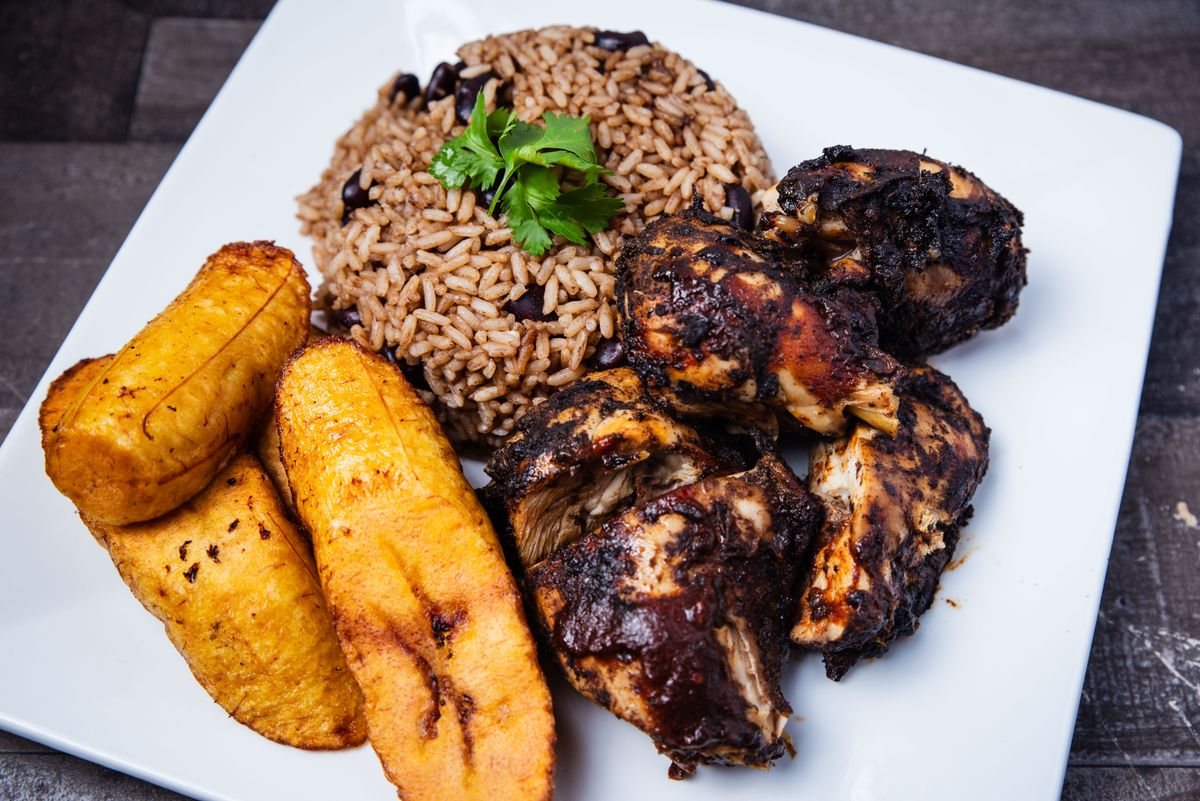
Denver has always had an adventurous dining streak, but the city’s growing affection for Caribbean cuisine feels especially earned. This is not a passing obsession driven by a single viral dish or one splashy restaurant opening. It reflects a broader shift in how people in Denver eat, what they look for when they go out, and how much they value food that delivers comfort, brightness, depth, and personality in the same meal.
Spend enough time around Denver restaurants and a pattern becomes obvious. Diners want flavor that feels bold but not gimmicky. They want food with roots, technique, and a point of view. They also want variety beyond the usual rotation of burgers, pizza, tacos, and standard American brunch. Caribbean cooking lands right in that sweet spot. It offers heat when heat is welcome, sweetness where it matters, acid to wake everything up, and slow-cooked richness that still feels lively rather than heavy.
That is a big reason why interest in Caribbean food Denver has risen so steadily. The appeal is immediate on the plate, but the story runs deeper than that.
Denver’s palate has changed, and the city is better for it
Fifteen or twenty years ago, many Denver dining conversations centered on whether the city could become a serious food town. That debate has largely disappeared. Denver now has diners who travel widely, cook more ambitiously at home, and arrive at restaurants with stronger expectations. They recognize spice blends. They ask about marinades. They know the difference between food that merely looks vibrant and food that is built from layered seasoning and patient technique.
Caribbean cuisine rewards that kind of attention.
A well-made jerk chicken, for example, is not just spicy grilled chicken. It carries smoke, allspice, thyme, chile heat, sweetness, salt, and often a slow-building warmth that lingers after the first few bites. Good rice and peas is not a filler side. It contributes creaminess, aroma, and a grounding savory note. Fried plantains bring caramelized sweetness and texture. Slaw, pickled vegetables, or pepper sauce can shift the entire balance of the plate.
Denver diners increasingly appreciate meals composed this way. They are less interested in oversized portions for their own sake and more interested in contrast, craft, and memorable flavor architecture. Caribbean food delivers all three.
The city’s climate and lifestyle make these flavors especially attractive
Denver is not a tropical place, but in some ways its rhythms make Caribbean food even more welcome. The city lives outdoors when it can. People hike, bike, ski, run, and spend long sunny afternoons on patios. That lifestyle often shapes cravings in surprising ways.
On one hand, Denver diners want hearty food after a cold day in the mountains or a long week in dry weather. Slow-braised oxtail, curry goat, stewed chicken, and rich bean dishes scratch that itch. On the other hand, the city’s altitude and sunshine seem to sharpen the appeal of bright marinades, citrus, herbs, chile, and grilled meats. A plate can feel substantial without feeling flat or sleepy.
That balance matters. Caribbean cooking often combines deep savoriness with freshness. A meal can include smoky meat, coconut rice, slaw, hot sauce, and tropical fruit in a way that feels complete rather than overbuilt. In a city where one day calls for comfort and the next calls for something vivid and energizing, that flexibility has real staying power.
There is also the simple fact that Denver’s dining public likes food that feels transportive. People may not be sitting by the sea, but food can still evoke warmth, color, music, and movement. Caribbean cuisine does that almost effortlessly, and not through clichés. It does it through aroma first. Scotch bonnet, ginger, thyme, garlic, citrus, cinnamon, clove, and allspice create a sensory experience that stands apart from many other restaurant meals in town.
Diners are craving food with identity, not just heat
One common misunderstanding is that people seek out Caribbean food mainly because they want spice. Some do, of course. But the smarter read is that diners want flavor with identity. Heat by itself is easy. Distinctive seasoning is harder.
The best Caribbean kitchens understand restraint as well as intensity. A curry should not taste like generic curry powder. A jerk marinade should not flatten into one-note fire. A stew should carry depth from browning, stock, herbs, and time, not just salt. Denver diners have become far more sensitive to those differences.
That is one reason Caribbean menus often generate repeat guests. The food rewards familiarity. A first visit might be driven by curiosity or the promise of jerk wings and rum cake. A second visit often comes because someone realized the braised dishes were excellent, or the sides had more character than expected, or the sauces changed the meal in subtle ways.
There is also a broader cultural maturity at work. More diners now want cuisine that remains recognizably itself rather than heavily softened for mainstream acceptance. They are open to dishes that arrive with bones, stews that are dark and rich, peppers that actually bite, or flavors that do not line up neatly with American expectations. That openness benefits Caribbean restaurants because so much of the cuisine depends on confidence and specificity.
Denver’s growth has broadened the audience
Population growth changes restaurant culture, but not in a single direction. More newcomers mean more competition, higher rents, and tougher labor markets. It also means more diners who arrive with memories of meals from elsewhere and start looking for them in their new city.
That matters for Caribbean food in Denver. Some guests are searching for home, or something close to it. Others first encountered Caribbean cooking in New York, Miami, South Florida, Toronto, London, or on travels through Jamaica, Trinidad, Puerto Rico, Cuba, the Dominican Republic, and other islands. When they settle in Denver, they bring those cravings and standards with them.
That creates a healthier dining ecosystem. Restaurants are no longer trying to explain the entire category from scratch. A meaningful share of the customer base already understands what it wants. That makes it easier for operators to be more authentic, more ambitious, and less defensive about dishes that may once have felt unfamiliar to a local market.
At the same time, a growing city produces more moments when people gather around food. Office lunches, brewery meetups, post-hike dinners, weekend family meals, and late casual dinners with friends all create opportunities for shareable, crowd-pleasing menus. Caribbean food fits those occasions well. It can be plated simply, served family-style, built for takeout, or presented in a more polished full-service format without losing its soul.
The flavor profile makes sense for how people eat now
The strongest restaurant concepts usually align with real habits rather than trends for their own sake. Caribbean cuisine fits several habits that define current dining in Denver.
People want meals that travel well. Rice bowls, stews, grilled meats, patties, and plantains tend to hold up better in transit than many delicate dishes. In a city where takeout and delivery remain part of regular life, that matters.
People also want options. They may be eating with a table that includes a meat lover, someone who wants seafood, someone who avoids gluten, and another person who wants a vegetable-forward plate that still feels satisfying. Caribbean menus often handle that mix gracefully because the cuisine naturally includes grilled proteins, braises, rice dishes, beans, root vegetables, greens, and fruit-driven sides.
Just as important, diners increasingly want food that feels indulgent without being empty. Caribbean cooking can certainly be rich, but it rarely feels anonymous. Even a generous plate tends to have acidity, heat, herbs, or sweetness working against heaviness. That contrast keeps the meal engaging.
A diner may leave full after curry chicken, cabbage, and rice and peas, but they are not likely to feel like they ate something deadened by cream, sugar, or excess fat. The meal has movement. That distinction is subtle, but it goes a long way toward explaining repeat business.
Social media helped, but only because the food can back it up
Bright colors, charred meats, glossy stews, and golden patties show caribbean food denver well online. There is no denying that. Caribbean food has a visual advantage in a digital restaurant culture. Plates look inviting. Cocktails pop. The textures read clearly in photos, from crisp edges on plantains to the lacquered finish on jerk chicken.
Still, social media alone cannot sustain loyalty in a city with this much competition. Denver diners may be happy to try a place because a plate looked good online, but they do not come back out of obligation. They come back because the food delivered.
What tends to stick with guests is not just appearance. It is the memory of contrast. The crackle of a beef patty. The perfume of coconut rice. The surprise of tangy slaw cutting through rich braised meat. The slow burn of a pepper sauce that wakes up halfway through the meal. That sensory sequence translates into word of mouth, and word of mouth remains stronger than any post.
Restaurant owners who specialize in Caribbean food often talk about this dynamic in practical terms. The first visit may come from curiosity. The second and third visits come from trust. Once guests realize the kitchen seasons properly, respects the traditions behind the dishes, and keeps quality steady, they start bringing friends.
Rum, spice, and smoke pair naturally with Denver’s beverage culture
Denver is a beverage city. Craft beer has long shaped the local dining scene, and cocktails, coffee, and nonalcoholic menus have all become more thoughtful over time. Caribbean food works unusually well in that environment.
Beer lovers often discover that malty lagers, pilsners, amber ales, and even some hop-forward styles can work beautifully with jerk seasoning, fried foods, and savory stews. A good cocktail program has even more room to play. Rum is the obvious anchor, but not the only one. Citrus, ginger, bitters, cane syrup, fresh fruit, and spice all have a natural home beside Caribbean dishes.
The pairing logic is easy to understand in service. Smoke likes sweetness. Heat likes acid. Rich braises like spirits with backbone. Fried food likes bubbles. Tropical notes can complement a dish, but the best pairings usually keep enough dryness or bitterness to avoid becoming cloying.
That relationship has helped Caribbean restaurants win over guests who might initially think of the cuisine in narrow terms. Someone may show up for drinks and appetizers, have a great patty or jerk skewer, then return later for a full dinner. Once a cuisine enters the social drinking circuit of a city, its visibility tends to expand quickly.
Comfort food means something different now
For a long time, many American diners used the phrase comfort food to mean familiar, beige, and often heavy. That definition has widened. People now find comfort in food that tastes vivid and personal, especially when it reflects migration, memory, and family technique.
Caribbean cooking offers exactly that kind of comfort. It is often built from practical ingredients transformed through care, seasoning, and time. Beans, rice, chicken, goat, greens, root vegetables, saltfish, dough, plantains, and spices are not luxurious in the abstract. The luxury comes from what a cook does with them.
That resonates in Denver, where there is growing respect for food that tells the truth about its origins. Diners respond when a dish tastes like it comes from somewhere specific, whether that specificity is regional, familial, or both. They can sense the difference between food assembled to fit a trend and food made from a lineage.
For Caribbean restaurants, this creates both an opportunity and a responsibility. Guests are more open than before, but they also notice when a concept leans too hard on tropical aesthetics while the kitchen lacks depth. The places that last are usually the ones that honor the food first.
What stands out on the plate
When people talk about why they keep coming back, the conversation usually circles around a few recurring strengths. These are not universal to every restaurant, but they capture the qualities Denver diners mention most often when praising the category.
- Layered seasoning that goes beyond simple spice.
- Meals that feel hearty yet still lively.
- Sides that matter as much as the center of the plate.
- Strong takeout performance, especially for rice dishes, stews, and patties.
- A sense of hospitality and individuality that larger chains often lack.
Those strengths may sound obvious, but they are difficult to execute consistently. Plenty of restaurants across all cuisines can produce one excellent dish. Far fewer can deliver balanced seasoning, proper texture, and a full meal in which every component supports the others. Caribbean food, at its best, tends to reveal that difference quickly.
Denver diners are more willing to explore regional nuance
One sign of a healthier food culture is that diners stop treating an entire region as one interchangeable cuisine. That shift is beginning to happen more often with Caribbean food in Denver. Guests may arrive knowing only a few broad references, but many are ready to learn the distinctions between Jamaican, Trinidadian, Cuban, Puerto Rican, Dominican, Haitian, and other culinary traditions.
This matters because the Caribbean is not one flavor profile. Even ingredients that repeat across islands can lead to very different results. Marinades change. Heat levels change. Doughs, stews, rice preparations, and street foods all vary. The deeper Denver diners go, the more interesting the market becomes.
Restaurants benefit when customers understand that a menu is not meant to represent every island at once. It frees a chef to focus. A kitchen can develop a sharper identity rather than trying to check every box for every expectation. The result is often better food and a more honest dining experience.
The best restaurants understand adaptation without compromise
Every independent restaurant in Denver deals with local realities. Ingredient sourcing can be inconsistent. Labor is expensive. Rent can be punishing. Weather and seasonality affect traffic. Not every traditional ingredient is easy to find at the exact quality or price a chef would prefer.
Good operators adapt, but the smartest ones know where adaptation should stop.
A restaurant may swap vendors, adjust portioning, or build a menu that balances labor-intensive specialties with faster-selling staples. It may also make practical decisions about spice levels, side options, or service format. None of that necessarily weakens the food. Problems start when adaptation strips away the defining features of the cuisine, when jerk loses its complexity, when curries become generic, or when menus are simplified to the point that every dish tastes built for caution.
Denver diners are more discerning than some operators assume. They can handle assertive seasoning. They often welcome it. The restaurants that thrive usually trust their audience enough to cook with conviction while still guiding first-time guests with warmth and clarity.
For newcomers, the experience is both accessible and rewarding
One reason Caribbean food continues to widen its audience is that it offers easy entry points without becoming simplistic. A guest who has never explored the cuisine can still order grilled chicken, a rice plate, or a savory pastry and have a good time. At the same table, a more experienced diner can chase deeper cuts, house sauces, or slower braises.
That flexibility lowers the barrier to trying something new. caribbean food denver It is one thing to ask a cautious diner to commit to a totally unfamiliar format. It is another to offer a plate that feels recognizable at first glance but introduces them to new seasoning, texture, and balance.
For people trying Caribbean food in Denver for the first time, a few dishes often make the best starting point:
- Jerk chicken with rice and peas, for its smoke, spice, and broad appeal.
- Beef or chicken patties, because they are approachable and deeply satisfying.
- Oxtail or stewed chicken, if the diner wants to understand the cuisine’s slow-cooked side.
- Fried plantains and slaw, to see how sweetness and acidity round out the meal.
- A rum-based cocktail or ginger-forward drink to complete the flavor picture.
The important thing is not to treat these dishes as a checklist. They are gateways. Once diners understand the balance of the cuisine, they usually branch out on their own.
Why the appetite is likely to keep growing
Denver’s interest in Caribbean food is not built on novelty, and that is the strongest possible sign for its future. The cuisine aligns with how people want to eat now. It suits takeout and full-service dining. It works for solo lunches, social dinners, and family meals. It offers comfort without monotony, richness without dullness, and cultural specificity without requiring a long explanation before the first bite.
There is also a larger emotional reason. Cities grow colder, faster, and more transactional when every meal feels interchangeable. Caribbean food pushes back against that. It asks for seasoning, patience, memory, and generosity. It invites sharing. It rewards appetite. It gives diners something they can describe later, not just something they consumed in a hurry.
That is why Caribbean food Denver continues to attract loyal fans. People are not simply chasing spice or sunshine on a plate. They are responding to food that feels alive, food with a clear voice, food that understands both celebration and everyday hunger. In a city that has become far more serious about eating well, that kind of cooking does not just fit in. It stands out.
Reggae Pot Jamaican Grill
2243 S Monaco St Pkwy, Suite 104
Denver, CO 80222
(720) 410-2956
FAQ About caribbean food denver
What is a typical Caribbean meal?
Caribbean cuisines vary by island. A Jamaican meal might pair jerk chicken or oxtail with sides such as rice and peas, cabbage, or fried plantains.
What is Jamaica’s national dish?
Ackee and saltfish is widely recognized as Jamaica’s national dish. Check the current menu for availability.
Is Caribbean jerk the same as Jamaican jerk?
Jerk is a Jamaican cooking tradition associated with seasoning and slow cooking or grilling. The exact heat level and preparation vary by cook.