27 November 2026
Where Denver Foodies Go for Great Caribbean Food
Presented by @shanedvhk387
Denver is not the first city most people name when they talk about Caribbean cooking, and that is precisely why the local scene rewards anyone willing to look a little closer. The best Caribbean food in Denver is not usually announced with neon spectacle or polished trendiness. It tends to live in family-run dining rooms, neighborhood takeout counters, market kitchens, and food trucks where the menu boards put the essentials first: jerk chicken, oxtail, curry goat, rice and peas, plantains, patties, stewed fish, and slow-cooked beans with real depth behind them.
For food lovers, that matters. Caribbean cooking is one of those cuisines that exposes the difference between a place that merely serves recognizable dishes and one that understands balance, patience, and seasoning. A good jerk marinade should not stop at heat. It should carry allspice, thyme, scallion, garlic, and that faint sweetness that rounds out the smoke. A proper braise should taste like time. Rice and peas should never feel like filler. Even cabbage on the side has a job to do.
If you are searching for caribbean food denver locals return to repeatedly, the pattern is fairly consistent. People chase kitchens that cook with restraint and confidence, where spice has shape, proteins are treated with respect, and every side dish arrives as if someone in the back actually cares whether you finish it.
What Denver foodies are really looking for
The strongest Caribbean spots in Denver do not succeed because they offer the longest menu. They succeed because a few dishes come out right, day after day. That is usually the first sign experienced diners look for. If a kitchen can nail jerk chicken, braised oxtail, curry goat, or a good patty, chances are high the rest of the menu is worth your attention too.
There is also the question of style. “Caribbean food” is a broad label that covers distinct island traditions and diasporic variations. Jamaican cooking gets the most visibility in many American cities, especially through jerk and patties, but that is only part of the picture. Puerto Rican food brings a different set of textures and comforts, with roast pork, stewed beans, mofongo, and arroz con gandules. Cuban food has its own rhythm, often sharper with citrus and garlic, and often built around roast meats, pressed sandwiches, black beans, and plantains. Trinidadian cooking moves in another direction entirely, with doubles, roti, and layered spice profiles that feel different from the heavier braises many diners associate with the region.
Foodies in Denver who know what they are doing rarely ask, “Where is the best Caribbean restaurant?” They ask something more useful: Who has the best jerk right now? Who does the deepest brown stew? Where can I get a flaky patty that tastes like it was baked by someone who grew up eating them? Which kitchen is serious about goat, not just offering it because they think it sounds authentic?
That distinction matters, especially in a city where many cuisines are still developing the kind of density and competition that sharpen standards.
The neighborhoods and formats worth watching
In Denver, excellent Caribbean food often shows up outside the polished dining corridors visitors tend to search first. That is common in immigrant and diaspora cooking more broadly. Rent, community ties, church networks, and practical kitchen economics all shape where these businesses land.
You are more likely to find something memorable in a modest strip mall, a converted fast-casual space, or at a community event than in a highly designed restaurant district. Aurora, with its long history as one of the metro area’s most diverse food hubs, has become an especially important place to look. Parts of east Denver and nearby suburbs also matter, particularly where small independent restaurants can survive on regulars rather than relying on destination traffic.
Food trucks are part of this story too. Caribbean cooking travels well when the operator knows how to hold food properly. Jerk chicken, braised meats, patties, plantains, and rice dishes can all perform beautifully in a truck format, and Denver’s event culture gives these businesses room to build loyal followings. Pop-ups add another layer. Some of the most exciting cooking in the city appears in borrowed kitchens, brewery collaborations, weekend market stalls, and cultural festivals before it ever lands in a permanent storefront.
For diners, that means the best advice is not simply to search by star rating. It is to pay attention to where Caribbean communities gather, where line cooks and chefs eat on their days off, and which vendors consistently sell out at local events.
The dishes that separate the good from the forgettable
The easiest way to judge a Caribbean kitchen is to order dishes that leave nowhere to hide. Jerk chicken is one of them. People often think the test is whether it is spicy enough. It is not. The real test is whether the chicken tastes seasoned beneath the surface, whether the smoke or char contributes bitterness in the right amount, and whether the meat stays juicy. A lot of places get the outer layer right and the center wrong. That is the version serious diners stop ordering.
Oxtail is another benchmark. Good oxtail should feel rich, but not greasy. The sauce should cling. You want the deep beefiness that comes from long cooking, plus aromatic lift from herbs and spices. If the gravy tastes thin or one-note, the kitchen likely rushed the process. At current beef prices, a strong oxtail plate in Denver will rarely be cheap, and most food-savvy diners accept that. The question is whether the portion and the flavor justify the spend. When it is done properly, it does.
Curry goat tells you different things. Goat needs enough time to tenderize, but not so much that it turns stringy and dull. The curry should taste layered rather than simply hot or dusty. This is a place where experience shows up quickly. Good curry carries warmth, earth, and a certain softness on the palate. Weak curry tastes like a generic spice blend dropped into gravy.
Patties might be the most underrated quality marker of all. They look simple, which is why mediocre ones get a pass. But a proper patty has structure. The crust should be flaky, lightly stained with turmeric or curry tones depending on style, and rich without feeling heavy. The filling should be seasoned enough to stand alone. Plenty of Denver diners have had frozen or reheated versions and assumed that was the category. It is not.
Then there are the supporting players. Rice and peas should be fragrant and separate, not dry and not mushy. Fried ripe plantains should be caramelized, with browned edges and soft centers. Steamed cabbage should still have a little body. Mac and cheese, where offered, should be baked with intent rather than scooped from a steam table into sadness. Those details matter because they tell you whether the kitchen views sides as obligations or as part of the meal’s architecture.
Why Denver’s altitude and market realities matter
Cooking Caribbean food in Denver comes with real challenges that outsiders do not always notice. Altitude affects braises, beans, frying behavior, and moisture retention. Dry air changes how long foods can hold before they toughen or lose appeal. Sourcing can be inconsistent too. Scotch bonnet peppers, certain cuts, fresh herbs, bread styles, cassava products, and specialty seasonings are not impossible to get, but they can be harder or more expensive to source consistently than in coastal markets with larger Caribbean populations.
That matters because authenticity debates are often too simplistic. A kitchen can be deeply faithful to flavor and technique while adapting to what Denver makes feasible. Good cooks do this all the time. The best operators know where adaptation is acceptable and where it becomes compromise. If they swap a pepper because supply is tight for a week, few serious diners will mind. If they flatten every dish into sweetness and generic spice because they are cooking for what they imagine Denver wants, that is a different story.
This is also why repeat visits matter. One strong plate tells you a place had a good day. Consistency tells you the kitchen has solved the hard parts.
How locals find the places worth driving for
Denver food lovers rarely discover the best Caribbean meals by accident. More often, they hear about them through community chatter, festival appearances, church events, social media pages that post trays before opening, and the kind of word-of-mouth that sounds modest but means everything: “Go on Saturday, they’ll have the full menu,” or “Get there before the lunch rush, oxtail sells out.”
That kind of recommendation carries weight because Caribbean cooking often works on a different rhythm than a standardized chain or an all-day brunch spot. Some dishes are available only on certain days. Some places close when they sell out. Some operators focus on catering and open to the public only at select times. Anyone looking for the best Caribbean food in Denver has to be flexible enough to meet the food where it lives.
A practical approach helps:
- Check the restaurant’s own social pages before you go, especially for specials, sold-out notices, or temporary hour changes.
- Order at least one signature dish and one side that seems ordinary, because ordinary sides reveal a lot.
- Visit during peak service if possible, when the kitchen is cooking through volume rather than reheating for stragglers.
- If a place offers house-made drinks or desserts, consider one, because serious operators often put the same care into sorrel, rum cake, or bread pudding that they do into mains.
- Go back and order differently before deciding whether a place is excellent or merely decent.
That last point is especially important. Some restaurants build their reputation on one or two dishes for good reason. If you visit a Jamaican spot and skip the jerk, or try oxtail at a place known more for patties and pastries, your first impression may tell only half the story.
The role of heat, smoke, and sweetness
One thing experienced diners tend to appreciate about Caribbean cooking is how it handles contrast. A strong plate often balances sweetness, acid, smoke, chile, and savoriness without announcing any of them too loudly. In Denver, where some menus lean toward bluntness, that can feel refreshing.
Take jerk, for example. It should not caribbean food denver be reduced to “spicy grilled chicken.” At its best, jerk has a dark, almost resinous perfume from allspice and thyme, then heat that builds in layers, then smoke that sits on the back of the palate. Add a side of sweet plantains and the whole plate starts making sense in three dimensions.
The same applies to brown stew chicken or escovitch fish. Brown stew works because caramelized sugar, browning sauce, aromatics, and stock create a rounded, savory depth, while peppers and onions keep the dish from feeling heavy. Escovitch, when done well, cuts through richness with pickled vegetables and vinegar brightness. These are not random combinations. They are systems of flavor built over generations.
This is why restaurants that oversimplify the food often disappoint seasoned eaters. Too much sugar muddies the finish. Too much anonymous heat drowns out the spice blend. Too little acid makes fried food drag. Balance is the thing worth driving across town for.
What to expect on price and portions
Caribbean restaurants in Denver occupy an awkward price space that diners should understand before judging too quickly. Many of the dishes people want most are labor-intensive and built on ingredients that have become steadily more expensive. Oxtail, goat, quality chicken, frying oil, spices, rent, and payroll all add up fast. At the same time, many customers still expect these restaurants to deliver generous comfort-food portions at budget prices.
Some places do, especially with lunch specials or combo plates. Others price higher, particularly if their sourcing is better or their overhead is steeper. A plate in the mid-teens may be common for chicken-based dishes, while oxtail and goat often run higher. That is not sticker shock so much as market reality. The better question is whether the food tastes like someone respected the ingredients enough to justify what you paid.
Portion size also varies by style. A heap of rice can make a plate look generous while hiding a weak protein portion. Food-savvy diners know to pay attention to ratio. If the sauce is excellent, the meat substantial, and the sides deliberate, a slightly smaller plate can still be the better meal.
Festivals, pop-ups, and community events are often where the scene feels most alive
If you want to understand Caribbean food in Denver beyond a single restaurant visit, show up where communities gather. Cultural festivals, neighborhood block events, and food truck roundups often reveal the scene more accurately than online rankings do. You will see what people are ordering for themselves, not just what gets pushed to first-timers. You may also find dishes that never appear on standard storefront menus.
At these events, the cooking can feel more relaxed and more specific. Someone might bring pepper shrimp one weekend, a limited tray of curry chicken another, or homemade sweets that do not justify permanent menu space but disappear instantly at a festival. Those moments matter because they show the cuisine as lived culture rather than a fixed set of greatest hits.
They also help explain why certain Denver Caribbean businesses build such loyal support even without prime visibility. Food is tied to memory, migration, family habits, and celebration. When a place gets that right, diners respond with a kind of devotion that star ratings never quite capture.
A few signs you’ve found the real thing
There is no universal checklist for authenticity, and anyone who pretends otherwise is usually flattening a diverse region into a stereotype. Still, regulars tend to notice a few patterns when a place is genuinely worth their time.
The room often smells right before the food even arrives. You catch grilled spice, onion, thyme, frying pastry, or slow braise in the air. The menu may be focused instead of sprawling. The person taking your order might steer you toward what is freshest rather than upselling everything in sight. The hot sauce on the counter may carry actual personality. The regulars may order without hesitation because they already know which plate they came for.
And then there is the most reliable sign of all: silence at the table after the first few bites. Not because the food is surprising, but because it lands exactly where it should.
For Denver diners, the best strategy is curiosity with standards
The Caribbean food scene in Denver is rewarding, but it is not always obvious. It asks a little more from the diner than larger, more established food cities do. You may need to drive farther, check hours twice, order before sellout, or follow a food truck from one event to another. The payoff is real if you keep your standards high and your expectations flexible.
Look for places that season boldly but not carelessly. Respect a short menu. Trust the restaurant whose rice and peas taste as intentional as its oxtail. Pay attention to who has built a repeat customer base without much hype. And when you find a kitchen that gets the details right, support it often. These businesses are not just serving food. They are sustaining a culinary tradition in a city that is still learning how to appreciate it fully.
That is where Denver foodies go for great Caribbean food, not always to the loudest address, but to the places where flavor is patient, technique is visible, and every plate carries more than a trend ever could.
Reggae Pot Jamaican Grill
2243 S Monaco St Pkwy, Suite 104
Denver, CO 80222
(720) 410-2956
FAQ About caribbean food denver
What is a typical Caribbean meal?
Caribbean cuisines vary by island. A Jamaican meal might pair jerk chicken or oxtail with sides such as rice and peas, cabbage, or fried plantains.
What is Jamaica’s national dish?
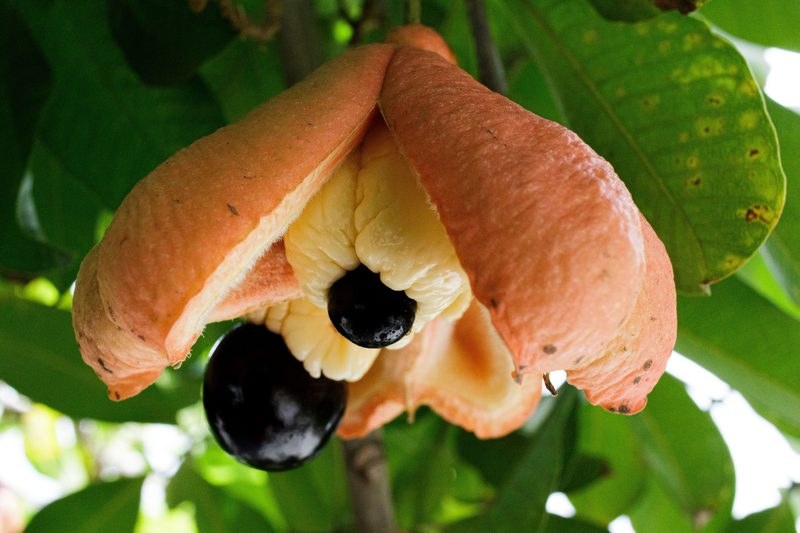
Ackee and saltfish is widely recognized as Jamaica’s national dish. Check the current menu for availability.
Is Caribbean jerk the same as Jamaican jerk?
Jerk is a Jamaican cooking tradition associated with seasoning and slow cooking or grilling. The exact heat level and preparation vary by cook.