06 November 2026
From Jerk Chicken to Ackee: Iconic Jamaican Food Explained
Presented by @shanedvhk387
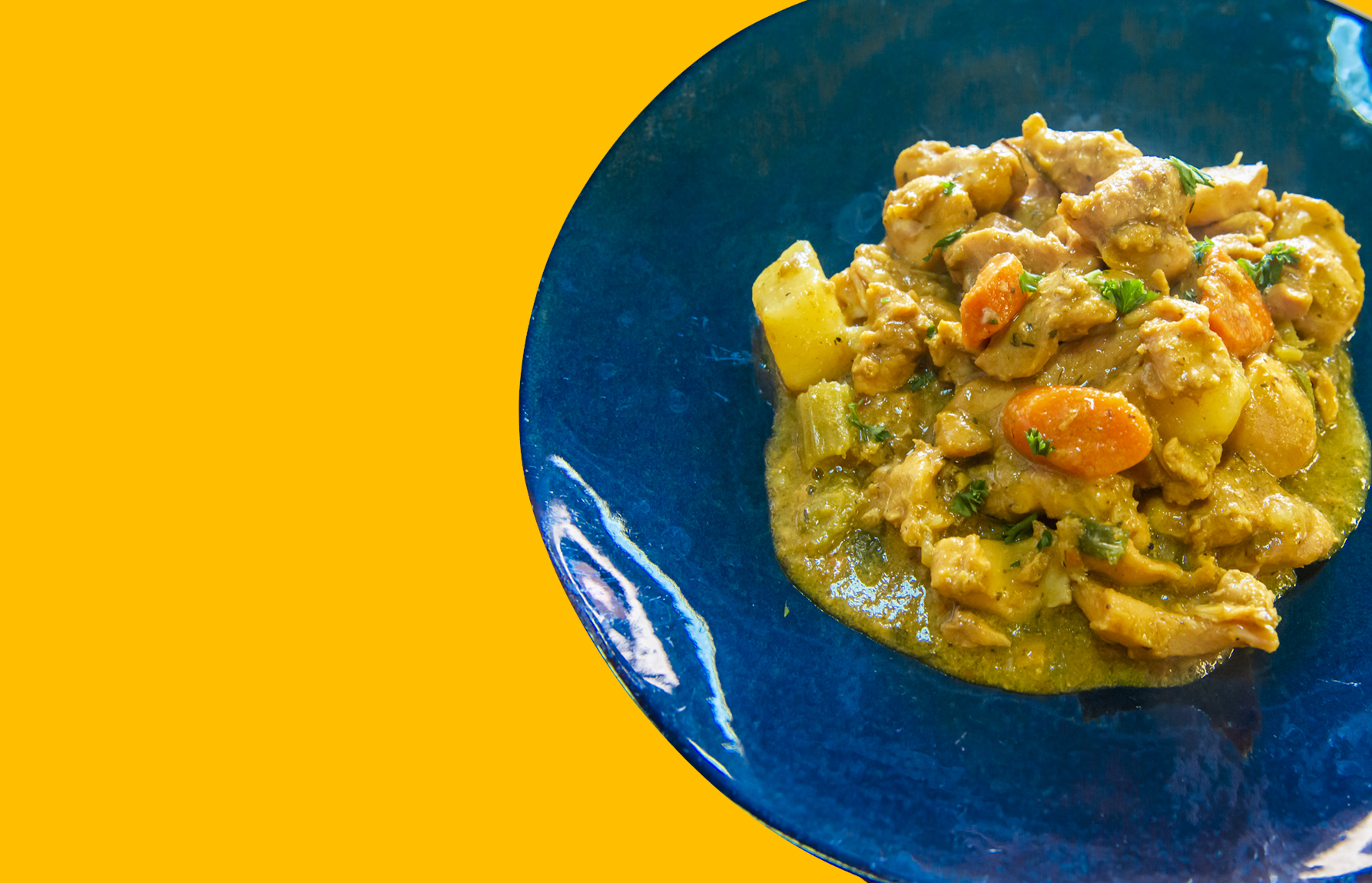
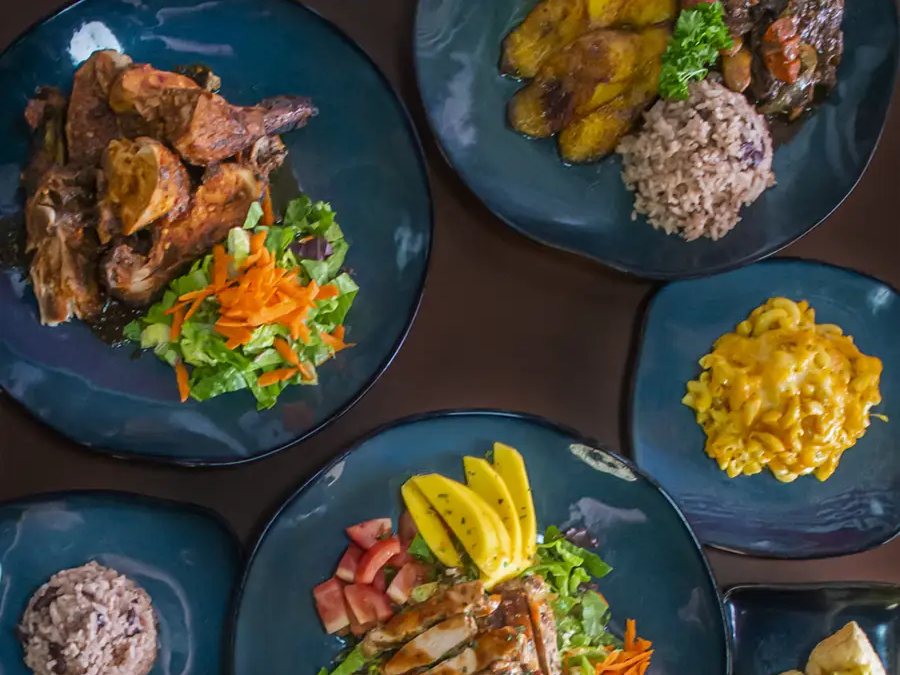
Jamaican food has a way of announcing itself before it reaches the table. You smell pimento smoke before you see jerk chicken. You catch the buttery richness of ackee before you notice the saltfish folded through it. A pot of curry goat perfumes the whole yard long before lunch is served. Few island cuisines carry that kind of presence.
That intensity is not accidental. Jamaican cooking is layered from centuries of movement, hardship, adaptation, and creativity. Indigenous methods, African foodways, European colonial influence, Indian spices, Chinese techniques, and Middle Eastern traces all left marks on the island’s kitchens. What emerged is not a patchwork, but a cuisine with a strong point of view. It is assertive, practical, and deeply tied to place.
People often meet Jamaican food through its most famous export, jerk chicken, and stop there. Jerk deserves its fame, but it is only one piece of a broader story. If you want to understand the food properly, you have to look at breakfast, street snacks, Sunday dinners, holiday dishes, and the ingredients Jamaicans treat as ordinary because they have grown up with them. That is where the cuisine becomes legible.
More than heat, more than hype
One of the most persistent misunderstandings about Jamaican food is that it is defined mainly by spice level. Heat matters, certainly. Scotch bonnet peppers are central, and they are no joke. But a good Jamaican cook is rarely chasing heat for its own sake. The point is balance. Scotch bonnet brings fruitiness as well as fire. Allspice, often called pimento in Jamaica, adds warmth and woodsy sweetness. Thyme sharpens the edges. Ginger gives lift. Scallion deepens the savor. Browning lends bitterness and color. Coconut milk softens and rounds.
That balancing act is what separates a memorable dish from a merely hot one. A properly seasoned stew peas should feel rich and aromatic, not aggressive. Escovitch fish should cut with vinegar and spice, not overwhelm the fish itself. Even jerk, a dish famous for intensity, should still let the meat taste like meat.
Another misconception is that Jamaican food is heavy from top to bottom. Some dishes are hearty, absolutely. Rice and peas, fried plantain, festivals, bammy, and rich gravies can make a plate substantial. But there is also a bright, sharp side to the cuisine. Pickled vegetables, fresh thyme, citrus, pepper sauces, and quick-cooked fish all keep the food alive on the palate. A good Jamaican meal often moves between comfort and contrast in the same bite.
The story behind jerk chicken
Jerk chicken is the dish most non-Jamaicans name first, and that is fair. When it is made well, it is one of the world’s great grilled foods. But the version many people know, especially outside Jamaica, is often too sweet, too saucy, or too polite.
Traditional jerk has roots in preservation and survival. The method is closely associated with the Maroons, communities formed by Africans who escaped enslavement and established independent settlements in Jamaica’s interior. Cooking meat slowly over pimento wood, often in a covered pit or improvised drum, was practical and strategic. It seasoned the meat deeply, preserved it, and reduced visible smoke.
The seasoning matters as much as the fire. A classic jerk marinade or wet rub usually includes scallion, thyme, Scotch bonnet, pimento, ginger, garlic, and salt, often with soy sauce, vinegar, and sometimes a little sugar or browning depending on the cook. Every household and every roadside jerk man has a different hand. Some lean greener and herbier. Some push harder on pimento. Some chase a wetter finish. There is room for variation, but the core profile should still be unmistakable.
The wood is not optional if you want the full experience. Pimento wood contributes a fragrant smoke that no bottled sauce can reproduce. The best jerk also gets textural contrast right. You want char at the edges, juicy flesh underneath, and seasoning that has penetrated instead of merely coating the surface.
Pork is actually just as important to the jerk tradition as chicken, and many Jamaicans will tell you jerk pork is the finer expression when done right. The fat carries smoke beautifully and stays succulent over slow heat. Still, chicken became the global ambassador partly because it is easier to cook, easier to sell, and more widely accepted in places with different dining habits.
If you have ever stood near a roadside jerk pan in Jamaica, the memory tends to stay with you. The cook lifts the lid, smoke blooms upward, chopped meat hits the board in a fast rhythm, and the air fills with pepper and pimento. It is theatrical, but not staged. That is just how the food lives.
Ackee and saltfish, the national dish with caveats
Ackee and saltfish occupies a special place in Jamaican food because it is both iconic and slightly misunderstood. Visitors often hear the name before they know what ackee is. Then the plate arrives, and the ackee looks like scrambled eggs, which leads to another round of confusion.
Ackee is a fruit, originally from West Africa, that became fully at home in Jamaica. When ripe and properly prepared, the flesh is soft, buttery, and delicate. It does not taste strongly of egg, despite the visual resemblance. Instead, it has a mild richness that makes it an ideal partner for saltfish, usually salted cod that has been soaked and simmered to remove excess salt.
The dish is cooked with onion, tomato, scallion, thyme, and Scotch bonnet, though not every cook adds all of them in the same proportion. Some keep it spare and let the ackee carry the dish. Others build more savor into the pan. The key judgment lies in restraint. Ackee breaks easily, so rough stirring ruins the texture. Saltfish can dominate if not soaked enough. Tomatoes can flood the pan if they are too ripe or overcooked. This is a dish that rewards a light hand.
There is also an important practical note. Ackee must be fully ripe and properly cleaned before cooking. Unripe ackee contains toxins that can cause serious illness. In Jamaica, people who grow up around ackee learn how and when it is safe to use. Outside the island, most people encounter ackee canned, which removes much of the risk and is the sensible route for home cooks unfamiliar with the fruit.
Served with fried dumpling, roasted breadfruit, boiled green banana, or yam, ackee and saltfish can be breakfast, brunch, or a late morning meal that carries you well into the afternoon. It is savory and filling, but it still feels distinct from the denser stews and roasted meats many people expect when they think of Jamaican cuisine.
Rice and peas is not what many people think
If you order Jamaican food in a restaurant abroad, rice and peas often arrives as a familiar side, but the name can mislead newcomers. In Jamaica, “peas” often means beans, especially red kidney beans or gungo peas, depending on the dish and the season. The rice is usually cooked with coconut milk, thyme, scallion, garlic, and Scotch bonnet, and the beans or peas cook in the same pot or are added after being cooked separately.
The result should not be dry, nor should it be mushy. Good rice and peas carries flavor all the way through, not just on the surface. Each grain should be distinct, but the dish as a whole should still feel cohesive and fragrant. Coconut milk must be present without turning the pot into dessert. Thyme should be noticeable but not medicinal. Scotch bonnet often perfumes more than it burns.
This side dish matters because it frames so many meals. Jerk chicken with plain white rice can still be good, but jerk chicken with proper rice and peas becomes unmistakably Jamaican. Oxtail with rice and peas lands differently than oxtail over generic steamed rice. The side is not filler. It is architecture.
Sunday dinner in many Jamaican households has long revolved around some combination of rice and peas, meat in gravy, vegetables, and maybe macaroni and cheese. The specific menu shifts, but rice and peas is often the anchor. It absorbs sauce, stretches protein, and turns a plate into a meal that feels complete.
Curry goat, and why patience matters
Curry goat is one of those dishes that tells you a lot about the island’s history with a single spoonful. The use of curry powder reflects Indian influence in Jamaica, but the dish is fully Jamaican in execution. It usually starts with goat meat marinated with garlic, scallion, thyme, ginger, Scotch bonnet, allspice, and curry powder, then browned and simmered until tender.
The first thing worth saying is that good curry goat takes time. Goat is flavorful, but it can be stubborn. Rush it and you get chew. Give it proper time and you get deep, developed flavor and meat that yields without falling apart into string. Some cooks prefer the meat just tender enough to hold its shape. Others cook until it practically collapses. Both approaches can work, but the sauce must remain coherent and glossy rather than watery or greasy.
The second thing is that not all curry powders perform the same way. Jamaican curry powder often leans more toasted and robust than standard supermarket blends elsewhere. Many cooks “burn” or bloom the curry in oil at the start to deepen its flavor and remove rawness. That step changes the whole dish.
Curry goat is common at celebrations because it scales well and holds well. Weddings, funerals, parties, and community events often feature it for exactly that reason. A big pot can feed many people without losing quality, and in some cases it improves as the seasoning settles. That practicality is part of its staying power.
Oxtail, stew peas, and the art of slow cooking
Few dishes show Jamaican patience better than oxtail. Though the cut has become expensive in many places, its popularity grew from thrift and technique. Oxtail needs long, moist cooking to become tender. In the process, it releases collagen that thickens and enriches the gravy. A proper pot of oxtail should taste dark, rounded, and deeply savory, often with butter beans cooked into the sauce.
There is a tendency in restaurants to oversweeten oxtail, either through too much browning, too much ketchup, or a heavy hand with sugar. The better versions avoid that trap. They build complexity through searing, aromatics, stock or water, and time. The gravy should cling, not puddle thinly around the rice.
Stew peas belongs in the same conversation, though it is a different kind of comfort. Despite the name, it is closer to a coconut-rich bean stew, often made with red peas, salted meat or pig’s tail, spinners, and sometimes beef. It sits somewhere between soup and stew depending on the cook. The best versions are silky from long-simmered coconut milk and starch, with enough thyme and pepper to keep them from becoming dull.
These dishes say something important about Jamaican cooking. For all the flash of grilled meats and street food, a great deal of the cuisine is built on measured heat, layered seasoning, and the willingness to wait. That is true in home kitchens across the world, but in Jamaica it takes on a particular shape because seasoning is so central. Time alone does not make the dish. Time plus seasoning does.
Fish, festivals, and the sharp edge of escovitch
An island with Jamaica’s coastline was never going to build its cuisine around meat alone. Fish matters, and one of the clearest expressions is escovitch fish. Usually made with fried whole fish, often snapper when available, it is topped with a hot pickled mixture of onion, carrot, Scotch bonnet, and vinegar. The contrast is the point. Crisp skin, tender flesh, and that bright, spicy, acidic topping create a plate that wakes up the appetite.
Escovitch is one of those dishes where timing changes everything. If the fish sits too long under the pickle, the skin loses its crispness. If the pickle is too raw, the onion and carrot fight the fish instead of complementing it. If the vinegar is too harsh, the whole plate turns one-note. When balanced, it is brilliant.
Many people pair fish with festivals, slightly sweet fried dough fingers that act as a soft counterpoint to salt and acid. Festival is simple food, but not simplistic. The interior should be tender and a little bready, the outside golden and lightly crisp. Too dense and it eats like under-risen dough. Too sweet and it becomes distracting. With fish, it earns its place.
Bammy, made from cassava, plays a different supporting role. It is earthy, chewy, and satisfying, especially when soaked lightly and fried or toasted. With escovitch fish, bammy can be a better partner than festival if you want something less sweet and more grounded.
Patties, coco bread, and what everyday eating looks like
Not every iconic Jamaican dish comes from a long-simmered pot or a weekend gathering. Some of the cuisine’s most beloved foods are practical, portable, and woven into daily routine. The Jamaican patty is a perfect example. At its best, it is a flaky pastry tinted yellow with turmeric or curry, filled with seasoned beef, chicken, vegetables, or saltfish. The filling should be moist but not leaking, spicy but not blunt, and the crust should shatter slightly rather than crumble into dust.
The patty matters because it sits at the intersection of convenience and identity. Schoolchildren eat them, workers grab them on the move, families buy boxes to share, and visitors often encounter them before they try anything else. Tucked into coco bread, a soft slightly sweet roll, the patty becomes even more filling and more distinctly Jamaican.
There is real craft in a good patty. The crust has to be sturdy enough to hold the filling yet tender enough to bite cleanly. The filling cannot be dry, which is a common failure outside Jamaica. And the seasoning has to be assertive enough to stand up to the pastry. A bland patty misses the point.
When people discuss jamaican food only through the lens of big meat dishes, they miss how much of it lives in bakeries, roadside stalls, lunch counters, and corner shops. The food is not only ceremonial. It is everyday fuel.
Ground provisions, breadfruit, and the backbone of the table
To understand Jamaican cooking, you also have to respect the starches and so-called ground provisions that make meals substantial. Yam, green banana, dasheen, cassava, coco, and breadfruit are not background ingredients. They are central to how meals are built and how hunger is answered.
Breadfruit is especially important, both culturally and practically. Roasted over open flame, its skin blackened and split, the interior turns soft and starchy with a faint nuttiness. It pairs beautifully with ackee and saltfish, mackerel, or simple butter. Fried breadfruit gains a crisp exterior and creamy center. Boiled provisions, meanwhile, often appear at breakfast or alongside fish and stews, giving the meal heft without demanding extra complexity.
These starches also reveal the cuisine’s relationship to necessity. Jamaica’s food traditions were shaped not only by abundance, but by making the most of what could be grown, stored, and stretched. Ground provisions are sustaining, versatile, and deeply rooted in local eating habits. They are part of the reason a Jamaican breakfast can feel almost as substantial as lunch in other cultures.
Fruits, drinks, and the softer side of the cuisine
Because savory dishes dominate most conversations, the fruit and drink culture around Jamaican food can get overshadowed. That is a mistake. The island’s fruit tradition is extraordinary. Mangoes alone can spark strong loyalties, with different varieties prized for texture, sweetness, fiber, or perfume. Soursop, june plum, guinep, naseberry, otaheite apple, and star apple all have their seasons and their devotees.
Drinks carry just as much character. Sorrel, especially around Christmas, combines hibiscus with ginger and often spices such as clove or pimento. It is tart, aromatic, and festive. Irish moss has a different profile altogether, creamy and rich. Ginger beer can range from pleasantly sharp to almost sinus-clearing. Fresh cane juice, coconut water https://spencerhjdm634.fairmontdigest.com/posts/jamaican-food-dishes-that-showcase-island-flavor straight from the fruit, and stout-based tonics all speak to a food culture that likes flavor with conviction.
Desserts are often less internationally famous than the savory dishes, but they matter. Jamaican black cake, dense with fruit and dark spirits, is a holiday staple with serious depth. Gizzada, toto, grater cake, and sweet potato pudding all show the island’s skill with coconut, spices, and root vegetables. Sweetness in Jamaica often comes with spice, chew, and texture, not just sugar.
What to order if you want a real cross-section
If someone asked for a compact way to understand Jamaican food in a few meals, I would steer them toward a mix rather than a single feast. The cuisine opens up when you taste different techniques, not just different proteins.
- Start with jerk, ideally from a place that cooks over real smoke.
- Eat ackee and saltfish for breakfast with a side of provisions or dumplings.
- Try escovitch fish to understand how acid and spice shape the cuisine.
- Order a slow-cooked dish such as curry goat, oxtail, or stew peas.
- Finish with a patty from a busy bakery, not as a novelty, but as ordinary daily food.
That sequence tells a richer story than a giant plate of mixed meats ever could. It shows smoke, salt, acid, starch, tenderness, convenience, and celebration, all within a single culinary tradition.
Why Jamaican food keeps its identity wherever it travels
Jamaican food has spread widely through migration, and that movement has created both preservation and adaptation. In London, Toronto, New York, Miami, and many other cities, Jamaican restaurants serve communities that expect authenticity, but they also cook for broader audiences with different access to ingredients. That tension can change dishes in subtle ways.
Scotch bonnet may be replaced or diluted. Pimento wood may be impossible to source. Ackee may come canned rather than fresh. Goat may be pricier, pushing curry chicken into the role curry goat once held at gatherings. Some changes are compromises. Others are smart adjustments. The best cooks know which is which.
What tends to survive intact is the seasoning logic. Even when the exact ingredients shift, the structure of flavor often remains recognizable. You still get thyme with scallion, allspice with heat, coconut with beans, vinegar with fish, and that deep preference for food that tastes fully inhabited by seasoning rather than lightly dressed at the end.
That is why Jamaican food remains so distinct abroad. It is not held together by a single dish. It is held together by memory, palate, and method.
A cuisine with backbone
The most iconic Jamaican dishes endure because they satisfy on more than one level. They taste good, certainly, but they also carry history and local knowledge. Jerk speaks to survival and adaptation. Ackee and saltfish captures the meeting of African ingredients and colonial trade routes. Curry goat reflects migration and exchange. Rice and peas, patties, escovitch fish, breadfruit, and stew peas all show how everyday meals can hold just as much cultural weight as celebratory ones.
If you spend enough time with jamaican food, one thing becomes obvious. It is not trying to impress anyone by being delicate or fashionable. It is confident food. It values seasoning, smoke, tenderness, practicality, and generosity. It knows how to feed a crowd, how to use a tough cut, how to turn a simple starch into something memorable, and how to make a breakfast feel like an event.
That self-possession is part of the cuisine’s appeal. You taste it in a roadside jerk pan, in a breakfast plate of ackee, in a foil bag holding a hot patty, and in a Sunday dinner where gravy runs into rice and nobody complains. Jamaican food does not need simplification to be understood. It only needs to be tasted with attention.
Reggae Pot Jamaican Grill
2243 S Monaco St Pkwy #104
Denver, CO 80222
+1 720-410-2956
FAQ About jamaican food
What is the best Jamaican food to try in Denver?
The best choice depends on your tastes. Popular options include jerk chicken, curry goat, slow-cooked oxtail, and savory patties. Reggae Pot lists these dishes on its menu, with sides such as rice and peas and plantains. Ask the Denver team about current availability and spice levels.
Is Jamaican food very spicy in Denver?
Heat varies by dish and preparation. Jerk seasoning often includes scotch bonnet peppers alongside herbs and allspice, while other dishes may have gentler seasoning. Ask about the heat of the specific dish and any sauce before ordering.
What are some popular Jamaican snacks?
Jamaican patties are a popular snack made with flaky pastry and savory meat or vegetable fillings. Other options include fried dumplings and festival, a sweet fried dough often served with savory dishes. Availability varies, so check the current menu when ordering.