24 September 2026
Craving Jamaican Food in Denver? Start Here
Presented by @shanedvhk387
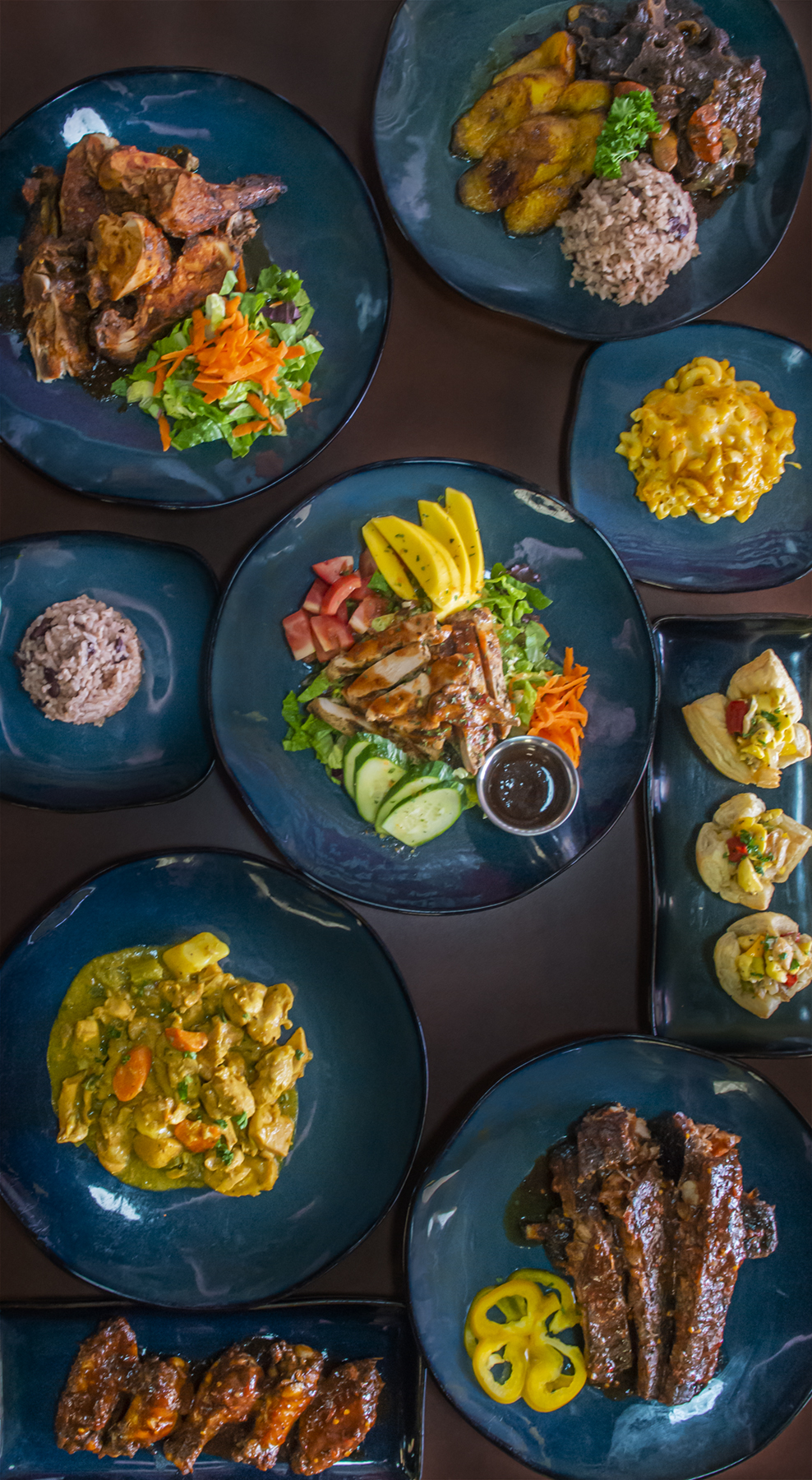
Denver has become a city where cravings are easier to satisfy than they were even a decade ago. You can eat well across a wide range of cuisines, but some categories still require a little know-how. Jamaican food is one of them. It is not always the most heavily advertised, and it does not always sit on the busiest corners, yet when you find a kitchen doing it right, the payoff is enormous: spice that lingers instead of shouts, slow-cooked meats with real depth, starches that actually matter, and sides that are far more than filler.
If you are searching for jamaican food denver diners actually return to, the best place to start is not with a generic “top dishes” roundup. It is with an understanding of what makes the cuisine work, what to order first, and how to spot the places that respect the food rather than flattening it into a novelty. Jamaican cooking rewards curiosity, but it also rewards good ordering decisions, especially if you are new to the cuisine or trying a new spot for the first time.
The first thing to know is that Jamaican food can feel both familiar and surprising. You will find grilled meats, rice, stews, patties, fried plantains, and bold seasonings, all of which sound approachable on paper. Then the plate arrives and you realize the flavor architecture is different from what you expected. Scotch bonnet heat behaves differently than the burn from a standard hot wing. Allspice, thyme, scallion, ginger, garlic, and browning sauce create a kind of savory-sweet complexity that lands deeper on the palate. Even the rice has personality. The best versions of rice and peas are fragrant, distinct, and good enough to eat by themselves.
What people usually mean when they say they want Jamaican food
Most first-time diners are really chasing one of three experiences. Some want jerk chicken because they have heard the name and want that signature char and heat. Others want comfort food, which means oxtail, curry goat, or stew chicken, the kind of plate that arrives heavy and aromatic and seems to settle your entire day. A third group wants something fast and portable, usually patties.
Those are all legitimate entry points, but they do not deliver the same experience. Jerk is often the most recognizable, yet it is also the easiest to do poorly. Too many places treat “jerk” as a synonym for spicy. It is not. Good jerk should have smoke, herbs, warmth, sweetness, and a clean hit of chile, with enough balance that you can taste the meat underneath. If a place serves chicken that is simply hot on the outside and dry inside, that is not a strong introduction to Jamaican cooking.
Comfort dishes tell you more about the kitchen. Oxtail in particular can reveal whether a restaurant understands patience. Done right, it should be glossy, tender, and rich without turning greasy. Curry goat should taste layered, not dusty or flat, with meat that yields easily. Stew chicken can be one of the best values on the menu if the sauce is dark, savory, and developed. These dishes are less flashy than jerk, but they are often where repeat customers are made.
Patties occupy a different lane. They are practical, satisfying, and easy to love. A good beef patty should have a flaky shell with real structure, not a limp wrapper around a mushy filling. The seasoning needs to show up immediately. Even when patties are sold as a grab-and-go item, they should taste deliberate.
Your first order matters more than you think
If you are new to Jamaican food, your opening order can shape your whole opinion. A lot of people order too narrowly. They get a single protein, ignore the sides, and judge the entire meal on one spicy bite. That misses the point. Jamaican plates are built through contrast. Heat meets starch. Deep braise meets brightness. Sweet plantain calms down a bold sauce. A drink can change the experience again.
A strong first order usually combines one signature protein with the right supporting cast. That might mean jerk chicken with rice and peas, cabbage, and plantains. It might mean oxtail with extra gravy over rice. It might even mean a patty and coco bread as a lighter start before you commit to a full plate the next time.
If you only remember one thing, remember this: the sides are not afterthoughts. Rice and peas, cabbage, plantains, festivals, and even the hot sauce on the side all affect how the meal lands. When people say a Jamaican meal felt balanced, they are often talking about the entire plate, not just the main item.
Five dishes worth ordering first
- Jerk chicken, preferably dark meat, because it stays juicier and carries smoke and seasoning better than breast meat.
- Oxtail, if you want the richest and most luxurious plate on the menu.
- Curry goat, for a slower, warmer spice profile that is often easier for new diners than heavy jerk heat.
- Beef patty, especially if you want a low-risk way to judge pastry, seasoning, and overall kitchen care.
- Rice and peas with plantains, because this pairing tells you a lot about whether the restaurant gets the fundamentals right.
That short list is not a ranking. It is more like a map. If you want fire and char, start with jerk. If you want comfort, oxtail or curry goat makes more sense. If you want a quick test before committing to a larger meal, start with a patty.
How to tell when a Jamaican kitchen is serious
You can often tell within a few bites whether a restaurant is leaning into the cuisine or merely borrowing the language. A serious kitchen pays attention to texture as much as flavor. Jerk chicken should show caramelization and smoke, not just wet sauce. Oxtail should have body in the gravy, not a thin brown liquid. Rice and peas should smell like coconut and aromatics, and the grains should remain separate. Cabbage should still have life to it. Plantains should be sweet, soft, and properly browned, not pale and steamed into surrender.
Heat is another giveaway. Real Jamaican cooking can absolutely be spicy, but a smart kitchen knows when to build heat into the marinade and when to let diners add more at the table. The food should taste complete before hot sauce enters the picture. If every dish seems to rely on bottled heat for personality, something is missing upstream.
Portioning matters too. Jamaican restaurants often serve plates that feel generous, especially with braised dishes. That generosity should not come at the expense of proportion. Too much dry rice and too little sauce is a common disappointment. So is a mountain of cabbage that looks healthy but tastes underseasoned. The best plates feel composed even when they are abundant.
There is also a smell test. Walk into a good Jamaican spot and the room should carry a blend of smoke, spice, and slow cooking. Even if you are grabbing takeout, the aroma from the counter can tell you a lot. It should smell like food that has been cooking, not food that has been assembled.
Denver’s dining habits shape the Jamaican food experience
Part of understanding jamaican food denver options requires understanding Denver itself. This is a city that leans heavily on casual dining, takeout, breweries, food halls, and neighborhoods where good restaurants survive on consistency rather than spectacle. That can work well for Jamaican food, which often travels better than people expect. Braised dishes tend to hold heat and deepen in flavor on the ride home. Rice and peas can remain sturdy. Patties are naturally portable.
Jerk is a little trickier. It is best when it goes from grill or smoker to plate without a long wait, because the skin and exterior texture matter. If you are ordering delivery, braised items are often the safer bet. If you are eating on site, jerk becomes a much stronger candidate. This sounds like a small detail, but it changes outcomes. I have had Jamaican takeout that felt merely good on the drive home, then later tried the same kitchen fresh and understood why people were loyal to it.
Denver’s altitude and dry climate also influence perception in subtle ways. Spicy food can hit differently when you are dehydrated or coming off a day in the sun. The city’s culture of active weekends, patio lunches, and quick dinners means people often underestimate how substantial Jamaican food can be. A plate of oxtail, rice and peas, and plantains is not a light bite before a concert. It is dinner, and a satisfying one.
What to drink, what to pair, what not to overcomplicate
One reason Jamaican food stays memorable is that the drinks often play an important supporting role. Sweetness, spice, and richness need contrast. A cold ginger beer can sharpen the meal. Sorrel, when available, adds warmth and tang. Ting gives you citrus lift. Even a simple water on the side is not a bad idea if you are approaching scotch bonnet heat for the first time.
Beer can work well too, particularly lighter lagers that cool the palate without crowding the flavors. What tends not to work is overcomplication. This is not food that benefits from fussy pairing logic. You are usually better off choosing something cold, refreshing, and familiar enough that the plate remains the focus.
Dessert is often overlooked, but if a place offers rum cake or another house-made sweet, it can be worth exploring. Jamaican meals carry so much savory intensity that finishing with something simple and moist can round out the experience.
Ordering for a group without wasting money
Jamaican food is excellent group-order material if you approach it correctly. The mistake most people make is ordering five versions of the same thing, then discovering halfway through that everyone wanted to try the oxtail. A better move is to mix one grilled item, one braised item, one starch-heavy anchor, and a few sides that cut across the table. This gives the meal more range and helps you figure out what a restaurant actually does best.
A sensible group order might center on jerk chicken, curry goat, rice and peas, cabbage, and plantains, with a few patties split as starters. That kind of spread exposes everyone to the cuisine’s contrasts. It also creates better leftovers. Jerk can be tucked into bread the next day, while curry and rice often reheat beautifully.
This is one of the rare cuisines where leftovers can be a real advantage. Saucy dishes frequently taste even more integrated the next day. The caveat is fried https://israelvzzi846.juniperbrief.com/posts/jamaican-food-in-denver-what-makes-it-so-irresistible items and grilled skin, which lose texture in the fridge. If you know you will be eating part of the order later, lean more heavily toward braises and stews.
A few practical tips before you order
- Ask about spice level, but ask specifically whether the heat is cooked into the dish or served on the side.
- If it is your first visit, order at least one braised dish, even if you came in thinking only about jerk.
- Choose rice and peas over plain rice when given the option, unless you have a specific reason not to.
- Eat jerk fresh if you can, and save delivery for oxtail, curry goat, stew chicken, or patties.
- If you are undecided between two mains, let the sides break the tie. The right combination often matters more than the protein alone.
These are small adjustments, but they dramatically improve first impressions.
Why oxtail inspires so much loyalty
Few dishes create regulars faster than oxtail. It is expensive enough that people notice when it is done well and feel shortchanged when it is not. Great oxtail arrives with a sauce that has reduced properly, carrying marrow richness, spice, and sweetness in balance. The meat should come away easily, but not in a shredded, overcooked way. There is a sweet spot where the pieces still hold their shape while yielding to the fork.
That dish also captures something central to Jamaican cooking: it values depth over flash. A plate of oxtail does not need visual drama. Its appeal is in concentration, in flavor that took time to build. In cities where diners often chase novelty, dishes like this separate trend-driven meals from food people quietly crave again the following week.
If you are serious about finding your go-to source for jamaican food denver has to offer, use oxtail as one of your benchmarks. Not because every restaurant must serve it, and not because it is the only measure of quality, but because it reveals a lot about discipline, seasoning, and patience.
The role of patties, and why they deserve more respect
Patties tend to get boxed into the “snack” category, which undersells them. At their best, they are a complete expression of the cuisine’s appeal: portable, highly seasoned, practical, and deeply satisfying. A proper patty shell should be flaky and sturdy with a distinct color, often from turmeric or curry seasoning. The filling should be moist but not soupy, and the pastry should not collapse before you finish it.
Patties also make sense in a city like Denver, where many people want a quick lunch between meetings or a compact meal before heading somewhere else. Not every craving needs to turn into a full sit-down feast. A patty and a drink can be exactly right. Add coco bread and the whole thing becomes more substantial without feeling overdone.
If a restaurant nails the simple things, such as patties and sides, it often bodes well for the larger plates. Kitchens that care about small-format items tend to care about detail in general.
When the craving hits, what should you actually do first?
Start by deciding what kind of meal you want. If you want a fast lunch, go patty first. If you want a full dinner and are unsure where to begin, order one braised dish and one jerk item to compare. If you are feeding two or more people, build in variety and share. If the place offers house drinks, take one. If you have low heat tolerance, do not be shy about asking questions. Good spots hear that every day and usually know how to guide you.
Pay attention to the sides as much as the center of the plate. Notice whether the rice is fragrant, whether the cabbage has seasoning, whether the plantains are properly caramelized. These details are not decorative. They are often the difference between a meal that is simply filling and one that pulls you back.
That is the real way to approach Jamaican food in Denver. Not as a checklist to complete, and not as a one-off spicy meal, but as a cuisine built on balance, patience, and boldness with control. Once you find a kitchen that understands those things, the craving starts to make sense. Then it becomes a habit.
Reggae Pot Jamaican Grill
Address: 2243 S Monaco St Pkwy #104, Denver, CO 80222
Phone number: +17204102956
FAQ About Jamaican Food Denver
What is typical Jamaican food?
Typical Jamaican food features bold, vibrant flavors created by blending African, Taino, European, and Asian influences.
What is a famous Jamaican dish?
Ackee and saltfish is Jamaica's national dish, made by sautéing the soft local ackee fruit with salted cod, onions, tomatoes, and spicy Scotch bonnet peppers.
What food is most popular in Jamaica?
The most popular and famous food in Jamaica is Jerk Chicken, celebrated worldwide for its smoky, spicy flavor.