27 November 2026
Caribbean Food in Denver: A Flavor-Packed Restaurant Guide
Presented by @shanedvhk387
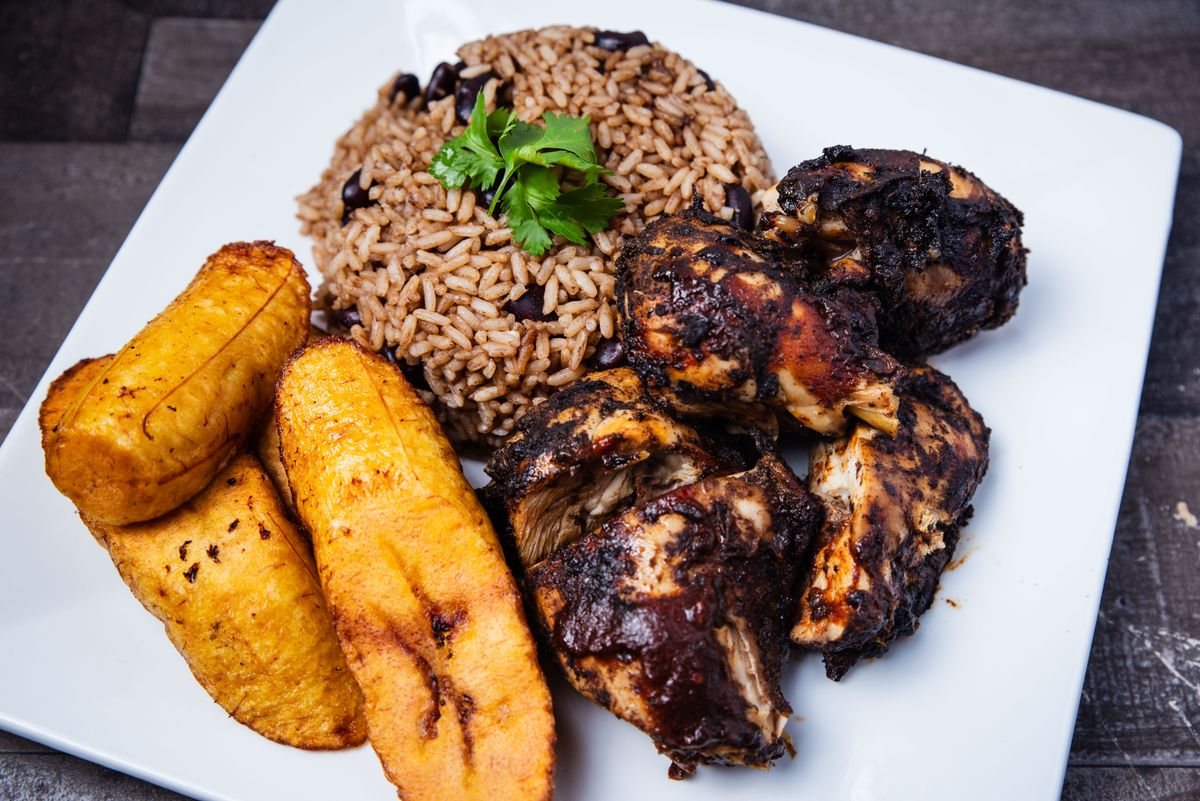
Denver is not the first American city most people associate with Caribbean cooking, and that is exactly why the good places feel like discoveries. You are not walking into a polished trend machine built for social media. More often, you are stepping into a family-run dining room, a compact takeout counter, a grill setup with serious smoke, or a pop-up where the person seasoning the meat learned from someone at home, not from a cookbook test kitchen. That difference matters. Caribbean food lives and dies on confidence, on heat, on timing, and on seasoning that goes far beyond a quick sprinkle of spice.
If you are searching for Caribbean food in Denver, it helps to reset expectations in the best possible way. The scene here is smaller than what you will find in South Florida, Brooklyn, or parts of New Jersey. It can also be less neatly labeled. Some of the strongest Caribbean meals in the Denver area come from places that blend island traditions with broader Latin American or soul food influences. Others run limited hours, rely heavily on takeout, or focus on a few specialties instead of a sprawling menu. That does not make the food less authentic. In many cases, it is the opposite.
The reward for looking closely is a dining experience with real character. Denver’s Caribbean restaurants tend to emphasize substance over presentation. Portions are often generous. Rice and peas arrive properly seasoned instead of treated as filler. Plantains show up in multiple forms, sweet and soft in one kitchen, crisp-edged and savory in another. Jerk chicken can range from restrained and smoky to blistering and assertive. Sauces are rarely decorative. They are part of the architecture of the plate.
What “Caribbean” means on a Denver menu
The first useful thing to know is that Caribbean cuisine is not one cuisine. It is a region of many histories, languages, and foodways. Jamaican cooking is usually the most visible in American restaurant scenes, and Denver is no exception. It is often the gateway for diners because jerk chicken, curry goat, oxtail, patties, and rice and peas travel well and have immediate appeal.
But Caribbean food extends much further. Cuban cooking brings roast pork, black beans, yuca, mojo, and pressed sandwiches. Puerto Rican food leans into garlicky pork, stewed beans, sofrito, and dishes built around plantains. Trinidadian food has deep Indo-Caribbean influence, so reggaepotjamaicangrill.com caribbean food denver you may encounter doubles, roti, curried chickpeas, and pepper sauces with a distinctive bite. Haitian cooking brings epis-seasoned meats, fried plantains, pikliz, and a bold balance of heat, acidity, and savor. Dominican kitchens often showcase roasted meats, braised chicken, beans, rice, and tostones with a practical, deeply comforting style.
In Denver, not every restaurant will fit neatly into one island tradition. Some chefs borrow across the region. Some grew up with one national cuisine and expanded for the local market. Some places advertise “Caribbean” because it is the clearest umbrella term even if the cooking is mainly Jamaican or mainly Cuban. That is not a red flag. It is just part of how smaller food scenes evolve.
Why Denver’s Caribbean scene is worth your time
A smaller scene can sharpen your eye. In cities with hundreds of options, diners often rely on hype. In Denver, quality reveals itself through different signals. You notice whether the chicken has spent enough time on the grill to pick up real char. You notice whether the cabbage side is just there for color or actually seasoned and cooked with care. You notice whether the curry tastes built, not rushed, with layers of onion, thyme, allspice, garlic, scallion, and chile instead of generic yellow powder.
The best Caribbean food in Denver usually succeeds because the kitchen understands restraint and intensity at the same time. Rice should not dominate the plate, but it should not be bland. A good braise should feel rich without becoming heavy. Heat should have shape. Scotch bonnet peppers, for example, do more than make food spicy. They add fruitiness, floral notes, and a particular kind of urgency. When a cook knows that, you can taste it.
Altitude and climate also make a subtle difference. Denver diners often crave food that lands with comfort and warmth, and Caribbean cooking fits that need beautifully. Braised oxtails, curried stews, fried sweet plantains, and slow-roasted pork all feel especially satisfying on cold evenings. At the same time, citrus, herbs, vinegar, and pepper sauces keep the meals lively enough for summer. Few cuisines handle that tension as well.
What to order first if you are new
If you have never spent much time with Caribbean food, start with the dishes that reveal a kitchen’s fundamentals. Jerk chicken is the obvious one, but it is still worth ordering because it tells you so much. Done well, jerk should taste smoky, herbal, spicy, and a little sweet, with enough salt to carry all those notes. The texture matters just as much. You want chicken that remains juicy under a dark, aggressively seasoned exterior. If the kitchen grills over open heat, even better.
Curry goat is another strong benchmark. Good curry goat should be tender but not collapsed into mush. The sauce should feel developed, with warmth from spices and depth from slow cooking. It should cling to the meat and sink into the rice. If it tastes flat or one-note, the kitchen may be relying on convenience more than craft.
Oxtail is usually one of the most expensive menu items, and for good reason. It takes time, patience, and careful skimming to get right. When it works, you get meat that yields easily, broth that coats the spoon, and a richness balanced by beans, rice, or a bright side dish. A restaurant that handles oxtail properly is often worth returning to.
For lunch or a lighter first visit, patties are a smart move. A flaky crust filled with spiced beef, chicken, or vegetables can tell you a lot about seasoning and texture. Patties also expose shortcuts immediately. A dry filling or greasy shell is hard to hide.
If your local spot serves Cuban or Puerto Rican fare, roast pork is an excellent test. It should taste deeply marinated, often with garlic and citrus, and should carry a mix of crisp edges and tender interior. Beans matter here too. Great beans are never an afterthought.
The side dishes are not side characters
One of the easiest ways to judge Caribbean restaurants in Denver is to pay attention to what surrounds the main protein. People often fixate on jerk, curry, or braised meat, but the side dishes are where care becomes visible.
Rice and peas should taste seasoned all the way through. Depending on the kitchen, the peas may be kidney beans or gungo peas, and the rice may carry coconut, thyme, scallion, or allspice. It should never feel like white rice with beans stirred in later. The best versions have aroma before you even lift the fork.
Plantains deserve the same scrutiny. Sweet plantains should be caramelized, not just soft. Tostones should have real crunch and enough salt to keep them from tasting flat. Macaroni and cheese, common at some Jamaican spots, should lean rich and baked rather than saucy and loose. Cabbage can be a sleeper hit, especially when cooked with peppers, onions, and enough seasoning to stand on its own.
That attention to sides often separates a decent restaurant from one you recommend to friends without hesitation.
What the best Caribbean kitchens in Denver tend to have in common
You can usually spot a promising place before the food even arrives. The clues are practical, not romantic.
- A focused menu, where the kitchen does a handful of dishes very well.
- House-made sauces, especially pepper sauces or gravies with visible depth.
- Properly cooked sides that are clearly treated as part of the meal.
- A room full of takeout orders, regulars, or both.
- Staff who can tell you which dishes are strongest that day without reciting a script.
None of these signs guarantees greatness, but together they usually point in the right direction. Caribbean cooking rewards repetition. The more often a kitchen makes the same dishes, the better those dishes tend to become.
Neighborhood patterns and where to look
Denver’s Caribbean options are not concentrated into one obvious enclave. That can make the search feel scattered, but it also means good food turns up in places you might otherwise overlook. Corridors with a mix of immigrant-owned small businesses often deliver the most interesting leads. East Colfax has long rewarded diners willing to explore beyond the familiar. Aurora, just outside Denver proper, is frequently part of the conversation too, especially for regional and diaspora cuisines that do not always have a huge footprint inside the city center. Parts of Lakewood and other nearby suburbs can also surprise you.
This is one of those food scenes where flexibility helps. Some businesses operate best as takeout destinations. Some are strongest at lunch. Some open with broad menus but really excel at two or three dishes. Pop-ups and food trucks can be significant players as well. If you see a Caribbean vendor drawing a line at a market, brewery, or neighborhood event, pay attention. Food trucks often carry the flavors that brick-and-mortar spaces soften.
Hours can be inconsistent by polished chain standards. Sold-out items are not uncommon. From a diner’s standpoint, that can be mildly inconvenient. From a cook’s standpoint, it is often a sign of a kitchen making food in sensible quantities rather than holding everything all day. In this category, I would rather hear “we’re out of oxtail” than receive a tired plate that has been reheated into surrender.
Heat, smoke, and spice, how to order with confidence
Many diners claim they want spicy food until they meet a serious Scotch bonnet sauce. Caribbean restaurants vary widely in how they calibrate heat for local crowds, especially in a city where not every customer arrives with a high spice tolerance. Ask questions. There is no shame in that. A good server or counter person should be able to explain whether the jerk is mild by default, whether the pepper sauce is optional, and which dishes bring the most fire.
At the same time, do not confuse visible heat with flavor. Some of the best Caribbean plates in Denver are not brutally spicy. Their strength comes from smoke, allspice, thyme, garlic, ginger, onion, citrus, and long cooking. Jerk in particular can be misunderstood this way. It should be more than “hot chicken.” The real appeal is the layered seasoning and the bitterness from char balancing the sweetness in the marinade.
If you are hesitant, order one hotter dish and one milder plate to share. That is often the smartest way to understand a restaurant’s range.
Beyond the usual stars
A lot of diners stop at jerk chicken and call it a day. That is understandable, but it leaves a surprising amount of pleasure on the table. If a restaurant offers stew chicken, brown stew fish, callaloo, roti, or escovitch-style preparations, take a serious look. Those dishes often reveal a cook’s hand more clearly than the obvious best-seller.
Stew chicken, for instance, can be spectacular when the sauce is dark, savory, and touched with sweetness from browning sauce. Brown stew fish, when available, gives you acidity and spice in a way meat dishes cannot. Roti, if made properly, brings together bread, curry, and texture in a package that is both comforting and technically revealing. Callaloo, depending on the tradition, can be earthy, herbal, and deeply satisfying in a quieter way than the flashier meat dishes.
Desserts are often worth ordering too, especially if the restaurant makes them in-house. Rum cake, bread pudding, sweet plantain-based desserts, or coconut-forward sweets can round out a meal without feeling heavy. Caribbean drinks, from ginger beer to sorrel, add another layer. A good homemade ginger drink should hit both sweet and sharp, with enough fresh bite to wake up the palate.
Service style can differ from other restaurant scenes
Anyone exploring Caribbean food in Denver should understand that hospitality may look different from the polished rhythm of upscale New American dining. At some spots, especially small counters and family-run kitchens, service is warm but direct. The room may move at its own pace. Food can take longer than expected if the kitchen is cooking to order or managing a crush of takeout tickets. That is not automatically a problem.
It helps to approach these restaurants on their own terms. If you want a fast desk lunch, call ahead. If you are dining in, use the time well and order a drink, a patty, or a side while you wait. Patience is often rewarded, particularly with braises and grilled meats. Caribbean food is not cuisine that improves when rushed to satisfy a timer.
There is also a practical point here about value. Portions are frequently substantial, and leftovers can be excellent. A plate that seems a touch expensive at first glance may stretch into a second meal. Oxtail and goat especially can carry a higher price because the underlying ingredients and labor are costly. When those dishes are done right, they earn it.
A few smart ways to navigate the scene
If you want the best odds of finding your favorite Caribbean restaurant in Denver, a little strategy goes a long way.
- Go where locals are ordering for takeout, especially on weekends.
- Ask which dishes sell out first, then order one of them.
- Do not judge the restaurant by decor alone, judge the aromas and the sides.
- Try the house drink or dessert at least once.
- Return for a second visit before making a final call, some menus have clear strengths.
This is particularly useful in a city where not every restaurant gets broad media coverage. Strong food can stay under the radar for years.
What Denver still lacks, and why that matters
It would be dishonest to pretend Denver has the breadth of Caribbean dining found in larger coastal markets. The city still has room for more representation, more island-specific restaurants, and more late-night or casual options built around patties, doubles, and quick plates. You can feel those gaps if you have eaten your way through neighborhoods in Miami, Toronto, or New York.
But scarcity has also created a more intentional audience. Diners looking for Caribbean food in Denver tend to be genuinely interested, not just checking off a trend. That helps serious restaurants. It creates repeat customers who understand the difference between a sugar-heavy bottled sauce and something simmered in-house. It supports spots that stay rooted in family recipes. It leaves room for pop-ups to grow into permanent homes.
For cooks and owners, Denver presents both challenge and opportunity. Ingredients can be harder to source consistently than in larger Caribbean food hubs. Educating customers takes effort. Menu engineering matters when dishes like oxtail are expensive to prepare. Yet the city’s broader appetite for global food has expanded dramatically in the past decade, and that creates space for Caribbean restaurants that remain true to themselves.
The meals you remember
The Caribbean meals that stay with you are rarely the most polished. They are the ones where the plate arrives hot, aromatic, and slightly overfilled. The ones where the chicken leaves seasoning on your fingers and the rice has absorbed every drop of gravy it can hold. The ones where the plantains taste like they hit the pan at exactly the right moment. The ones where someone in the kitchen clearly cared about details that many diners will never name aloud.
That is what makes this category special in Denver right now. It is not a giant scene, but it is a rewarding one. The best restaurants are not trying to flatten the cuisine into a one-note idea of island food. They are serving deeply personal versions of Caribbean cooking, with all the smoke, spice, starch, patience, and generosity that implies.
If you are hungry for more than a novelty plate, Denver can absolutely deliver. Look past glossy trends, order with curiosity, and pay attention to the small things. In this city, the strongest Caribbean meals often come from places that let the food speak first.
Reggae Pot Jamaican Grill
2243 S Monaco St Pkwy, Suite 104
Denver, CO 80222
(720) 410-2956
FAQ About caribbean food denver
What is a typical Caribbean meal?
Caribbean cuisines vary by island. A Jamaican meal might pair jerk chicken or oxtail with sides such as rice and peas, cabbage, or fried plantains.
What is Jamaica’s national dish?
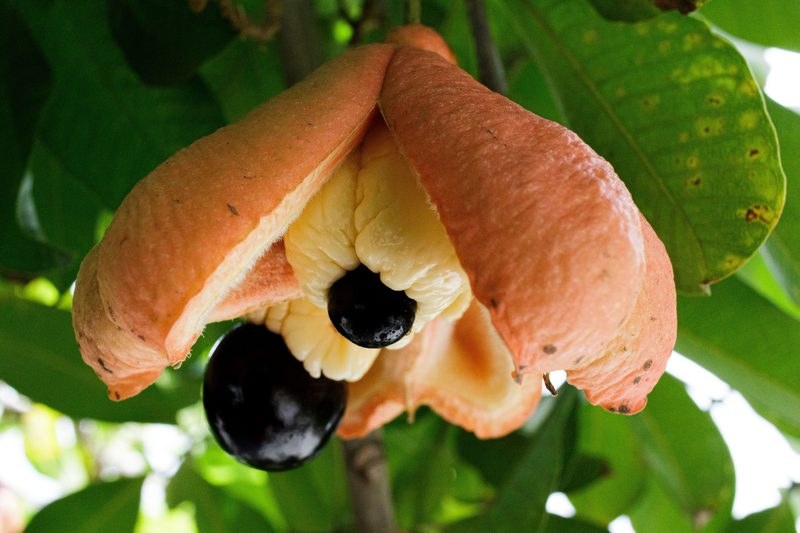
Ackee and saltfish is widely recognized as Jamaica’s national dish. Check the current menu for availability.
Is Caribbean jerk the same as Jamaican jerk?
Jerk is a Jamaican cooking tradition associated with seasoning and slow cooking or grilling. The exact heat level and preparation vary by cook.